Why Protecting Our Local Ecosystems Will Protect Us All
By Katie McCammon
Sacramento has acted as an absorbent sponge in the biosphere for thousands of years. While many Sacramento region residents view flooding negatively, the area’s annual flooding patterns were once normal and largely benefited the surrounding ecosystem. Sacramento’s landscape was shaped by water, with wetlands, rivers, floodplains, and native habitats working together to absorb and move water throughout the region.
Today, we have built over much of that natural system. But Sacramento is not alone in confronting the challenges of living in a floodplain. Other flood-prone areas worldwide, like Copenhagen, have turned to the “sponge city” planning concept to mitigate the worst consequences of living in a floodplain. Using this climate-adaptive development method could make Sacramento more resilient while protecting people and the local economy.
Changes like this are becoming increasingly important as climate change alters the weather patterns we have historically relied upon. Current climate projections show that storms and weather patterns will become increasingly dangerous, so planners should integrate climate action into their budgets and long-term development decisions.
The good news is that we can protect what we have and even change within our existing communities for the benefit of all. Sacramento-area communities have developed fairly comprehensive Climate Action Plans that integrate more progressive, climate-resilient planning methods. The challenge is putting those plans into practice rather than prioritizing quick, cheap development over thoughtful, resilient planning.
Sacramento’s Natural History: A Floodplain Built for Water
To understand Sacramento’s relationship with flooding, we first have to understand its natural history. Much of the Sacramento region was historically a freshwater tidal marsh, ebbing and flowing with life from and to the Delta. The California Native Plant Society describes the freshwater marsh ecosystems that once dominated much of the region.
The historical expansion of agriculture in the Sacramento Valley has made the area more agriculture-than-wetland oriented. Some crops do well in this environment, while others that don’t follow the natural patterns of wetland water flow may be doing more damage. Sacramento spent many more years as a freshwater tidal marsh than the overdeveloped area we are all accustomed to.
The region’s water and riparian wetlands remain an important part of the Sacramento Valley ecosystem. Whether wanted or not, damming the northern waterways has caused significant changes and challenged the ecological sustainability of the Sacramento region. Currently, the Sacramento Valley supports both agriculture and riparian and wetland habitat, and this division of use creates water stress, particularly during drought.
Even when drought conditions temporarily improve during relatively “wet years,” California continues to experience complicated water challenges. The state is still impacted by ongoing snow drought conditions due to climate change, demonstrating how interconnected our water systems are and how quickly historical patterns can change.
Letting the Floodplain Work for Us
The natural ecosystems surrounding Sacramento are not simply obstacles to development. They are infrastructure.
Restoring native habitat along rivers and waterways is already showing successful results in protecting communities from damaging floods. Healthy floodplains and native vegetation can provide space for water to spread out, slow down, and be absorbed rather than forcing water into increasingly constrained channels.
The Floodplain Forward Coalition is working collaboratively between Chico and the Delta to improve water resiliency and biodiversity through nature-based solutions. This project brings together the latest science on how to work with nature to protect both communities and ecology.
This kind of work represents an important shift in how we think about infrastructure. Instead of treating nature as something that must be controlled or paved over, we can recognize that functioning ecosystems provide essential services to the communities around them.
Unfortunately, while this collaboration is underway, other business-driven actions could increase flood risk in the Sacramento region.
More Development Can Mean More Flooding
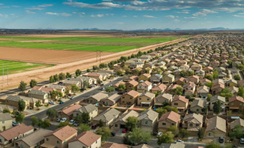
Research clearly shows that increases in impervious cover, or paved ground, also increase the chances of flooding in a given area. When soil and vegetation are replaced by roads, parking lots, rooftops, and other paved surfaces, rainwater has fewer places to go. Water that could otherwise be absorbed into the landscape instead runs across these surfaces and contributes to greater runoff.
This means that as development expands outward, particularly through “sprawl”-style development, paved land increases and the likelihood of flooding rises — especially as climate change worsens.
The question, then, is not simply whether a new development project adds housing, businesses, or economic activity. We also need to ask what that development removes. When we pave over farmland, wetlands, native habitat, and other natural areas, we may also be removing some of the very infrastructure that protects our communities from flooding.
And the consequences of that loss are not distributed equally.
Flooding Is an Environmental Justice Issue
The increase in flooding danger does not appear to happen equitably either. A report from the Sacramento Bee found that previously redlined communities experience a 25% increased likelihood of flooding. Records show that the poorest community members and people of color face the dire consequences of poor climate planning.
For some community members, the reality is life and death, particularly for those who play the smallest role in causing climate change. Homeless individuals have experienced deadly consequences when flooding disasters occur unexpectedly and violently in the Sacramento region.
Given the stark inequities of these consequences, local political leaders and developers should avoid increasing the likelihood of these disasters. What we see is unfortunately contrary to the climate science.
Climate resilience cannot simply mean building higher walls around communities while continuing to remove the natural systems that absorb water. It must also mean asking who is most exposed to climate hazards, who benefits from development, and who bears the consequences when our planning decisions fail.
What Are We Building for Sacramento’s Future?
In 2026, the County of Sacramento Board of Supervisors approved a project that would further damage the Natomas basin and increase its flooding potential. The development would cover approximately 2,000 acres of mixed farmland and native habitat. This type of development runs contrary to what a floodplain like Sacramento needs to remain resilient under current and future climate change scenarios.
The board made this decision unanimously despite community opposition and environmental impact reports identifying negative environmental consequences. The City of Sacramento has opposed this development because of water and environmental concerns. Councilmember Dickinson also stated that we currently have capacity within the urban service boundary to develop more housing to support population growth.
The repeated justification for such an invasive project is a lack of housing, when in reality people cannot afford current housing because of historically high prices. The County could better serve the community by focusing on fair and equitable housing prices in areas people actually want to live instead of paving over much-needed land buffers in the name of housing needs.
Housing affordability and environmental protection do not have to be competing goals. Sacramento can build the housing people need while also making thoughtful decisions about where and how that housing is built. We can change within our existing communities rather than continually expanding outward into areas that provide important ecological functions.
Protecting wetland habitat also means protecting the sensitive species that depend on these ecosystems. The future of Sacramento should not require us to choose between human communities and the natural world. The health and resilience of both are interconnected.
Protecting Your Community
There are ways for individuals and communities to take action and change Sacramento’s potentially over-paved future.
When a local development project is proposed, pay attention to the details. Ask:
- Is this development necessary, and will it bring anything helpful to my community?
- If the development is helpful, how are the developers minimizing the paved-land effect that could increase flooding danger in my neighborhood?
- If there is a large parking lot included in the development, what natural barriers are in place to mitigate increased flooding from this paved land?
- What is the environmental review process for this project?
- If green spaces are included, do they consider the need for native species, or are they simply putting in non-native plants that could increase water needs?
These questions allow residents to look beyond the immediate appearance of a development and consider its long-term impacts on water, biodiversity, climate resilience, and community wellbeing.
There is also a growing coalition of working groups confronting local land-use issues head-on, and there are many ways to get involved.
The 350 Sacramento Climate Action Plan Team is a subgroup of the grassroots climate justice organization 350 Sacramento. Their team prioritizes examining, researching, and working with the region on comprehensive Climate Action Plans that will meaningfully reduce greenhouse gases and mitigate the worst effects of climate change. The 350 Sac CAP Team has worked closely with ECOS on the problematic Upper Westside Project, which has been fully supported by the County of Sacramento despite major pushback from community members and evidence that the project could cause major environmental stressors.
30×30 & Sacramento Valley Conservancy is a working group focused on the state and federally recognized goal to protect at least 30% of biodiverse land in the country by 2030. The Sacramento Valley Conservancy is the local nonprofit working hard to accomplish this goal and is always seeking more people to speak up and support this effort.
The Sacramento Valley California Native Plant Society supports and promotes the reintroduction of native species in the Sacramento region in order to increase soil resilience, decrease water dependency on green spaces, and educate the community on how to use our own yards to increase local biodiversity. Their work outlines the scientific consensus around protecting and integrating native plant ecology and addresses the ongoing threats to these native systems.
The Save the American River Association also works to protect the riverside walkways and natural spaces that make the region beautiful and loved by so many. They continue to use scientific evidence to push back on non-native plant placement near rivers and waterways and infrastructure that could harm local flora and fauna.
Everyone Benefits From a Healthier Ecosystem
Everyone benefits in different ways from more ecosystem infrastructure.
We all know how it feels to take a walk in nature. It makes us feel happier and reminds us to step away from the complex distractions much of our work- and media-swarmed lives, buries us in. The National Library of Medicine presents data on associations between exposure to nature and improved cognitive function, brain activity, blood pressure, mental health, physical activity, and sleep.
Nature provides us with far more than beautiful scenery. It helps regulate water, supports biodiversity, protects communities, provides habitat, and contributes to our physical and mental wellbeing. These are forms of infrastructure, even if we don’t always recognize them as such.
It’s time we give back to the nature that provides everything we need to live and thrive.
This is an important time to reassess what matters most to us and change the way we are building. We can build communities that are more affordable, more resilient, and more connected to the ecosystems that sustain us.